






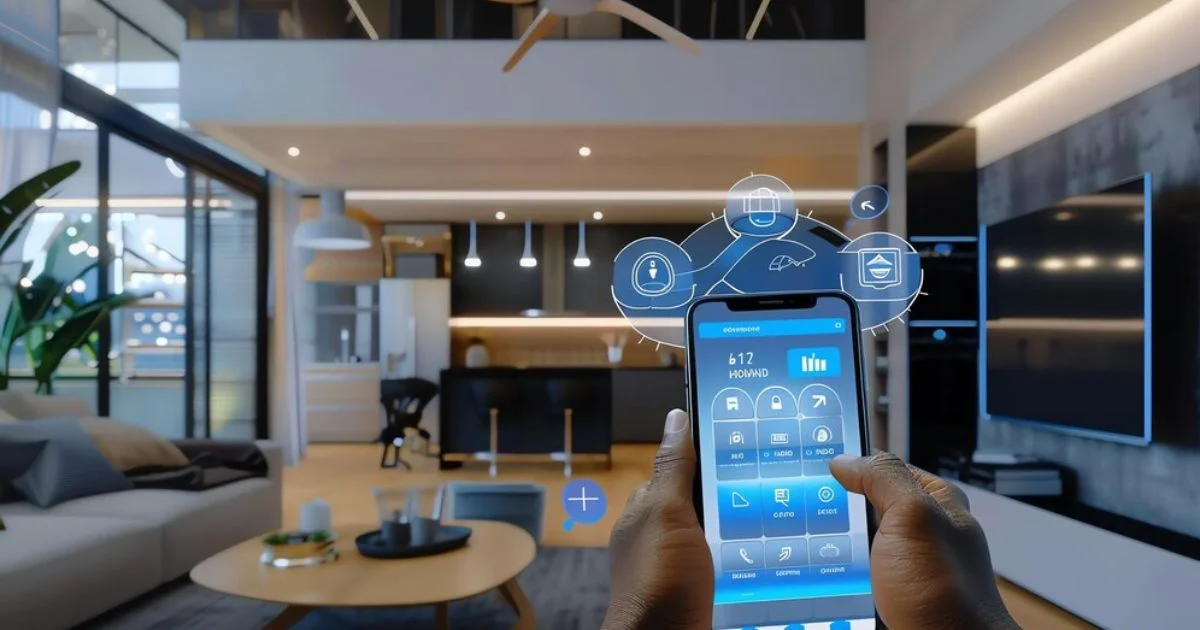
In an age where technology continually transforms the way we live, work, and interact, the idea of a “smart home” has evolved from a futuristic dream into an accessible reality. At the heart of this revolution is automation—a powerful force that enables homeowners to seamlessly control and customize every aspect of their living space, from lighting and security to climate control and entertainment. Whether you’re upgrading your current home or building a new one, integrating automation into your living environment offers unparalleled convenience, efficiency, and security.
But what exactly is home automation? How does it work, and what are the benefits it can bring to your life? This article delves into the world of smart home automation, explaining everything you need to know to make informed decisions and enhance your living experience.
What Is Home Automation?
Home automation, often referred to as a “smart home,” involves using internet-connected devices to remotely manage various systems and appliances within a home. Through smart technology, everyday household functions—such as controlling the thermostat, adjusting lighting, securing the front door, or even managing entertainment systems—are automated and can be accessed via a smartphone, tablet, or voice command. This level of control transforms the way we interact with our homes, making them more intuitive, efficient, and responsive to our needs.
At its core, automation enables different devices to “talk” to each other. Through a central hub or app, you can orchestrate actions, set schedules, and establish triggers that prompt devices to act automatically in response to certain conditions. For example, a motion sensor can trigger your lights to turn on as you enter a room, or your thermostat can adjust the temperature based on the time of day or your location.
Key Components of Home Automation
-
Smart Devices and Appliances
At the heart of any smart home is a collection of interconnected devices. These include smart thermostats, lights, locks, cameras, speakers, and more. Each device is equipped with sensors or connectivity features (Wi-Fi, Bluetooth, Zigbee, or Z-Wave) that allow them to interact with other devices in the system. For instance, a smart fridge can notify you when you’re running low on groceries, while a voice assistant like Amazon Alexa or Google Assistant can allow you to control your devices with a simple voice command. -
Central Control Hub
To tie all these smart devices together, most smart homes rely on a central hub or app. This hub acts as the brain of your home automation system, enabling you to control and monitor all your devices from one interface. Popular hubs include Google Home, Amazon Echo, and Apple HomeKit, each with its own set of features and compatibility. These hubs allow for voice control, automation of tasks, and integration with third-party services. -
Sensors and Triggers
A critical feature of smart home automation is the use of sensors and triggers. Sensors such as motion detectors, door/window sensors, and environmental sensors (e.g., temperature or humidity) can trigger specific actions. For example, a motion sensor could be set to turn on the lights as soon as you walk into a room or detect when someone enters your home, sending an alert to your phone. -
Automation Software
The backbone of home automation lies in the software that ties everything together. This includes apps, cloud services, and platforms that allow you to schedule, monitor, and control devices. These platforms often come with predefined settings, but most allow customization, such as creating routines or “scenes” that control multiple devices simultaneously (e.g., dimming the lights and closing the blinds for a movie night).
How Home Automation Works
The process behind home automation is both sophisticated and intuitive. Here’s a basic overview of how it operates:
-
Connectivity
Smart devices are connected to your home’s Wi-Fi network, Bluetooth, or a proprietary hub. This connection allows them to send and receive data. -
Integration
Once connected, the devices are integrated into a central platform or hub. This can either be a physical hub, like the Amazon Echo, or a cloud-based platform that allows for remote control through your phone or computer. -
Automation
Automation can be set up based on triggers or schedules. For example, you might schedule your thermostat to lower the temperature at night, or program your lights to turn off when you leave the house. More advanced setups allow devices to react in real-time to environmental changes (e.g., adjusting lights based on time of day or detecting motion to trigger a specific action). -
Voice Control
Voice assistants like Amazon Alexa, Google Assistant, or Apple Siri add an extra layer of convenience. Through voice commands, you can control a variety of devices—“turn off the lights,” “set the temperature to 72 degrees,” or “lock the front door”—without having to touch a single button.
Benefits of Home Automation
-
Convenience
Perhaps the most obvious benefit of home automation is the increased convenience it offers. With smart technology, many of the tasks we do daily can be automated. Lights turn on when you walk into a room, the coffee maker brews at your set wake-up time, and the thermostat adjusts to your preferred temperature before you arrive home—all without lifting a finger. -
Energy Efficiency
Smart homes help optimize energy consumption. Smart thermostats, such as Nest or Ecobee, learn your habits and adjust heating and cooling patterns to ensure your home is comfortable without wasting energy. Similarly, smart lighting systems ensure that lights are only on when needed, potentially saving you hundreds of dollars per year on energy bills. Automated power strips can turn off devices that are not in use, reducing “phantom” energy consumption. -
Enhanced Security
Home automation significantly bolsters security. Smart locks can allow keyless entry and provide remote access to trusted individuals. Security cameras and doorbell cameras, such as Ring or Nest Hello, enable you to monitor your home remotely and receive instant notifications of suspicious activity. Motion sensors, security alarms, and automated lighting systems further enhance home security, ensuring that your home is safe and secure, even when you’re away. -
Customization and Control
Smart homes provide a level of customization and control that was previously unimaginable. From setting your ideal lighting ambiance to adjusting the temperature based on your location, smart home systems adapt to your personal preferences. You can control your home from anywhere in the world using a smartphone app, making it easy to monitor and adjust settings remotely. -
Increased Home Value
As smart home technology becomes more common, it also increases the appeal of a property. Homes equipped with smart technology often attract more buyers, as prospective homeowners recognize the added convenience, security, and energy savings. A smart home could potentially boost your property’s resale value and make it more competitive in the market.
Getting Started with Home Automation
If you’re considering automating your home, the best approach is to start small and expand as you become more familiar with the technology. Begin with a few key devices, such as a smart thermostat or security camera, and gradually add more as needed. Ensure compatibility between devices by choosing products that work with your chosen hub or platform.
Remember, the heart of a smart home is the seamless integration of different systems. It’s not about buying the latest gadgets but about building a cohesive system that improves the way you live. As technology continues to evolve, the possibilities for automation in the home are limitless, from smarter appliances to more sophisticated energy management.
In conclusion, home automation has the power to revolutionize the way we live, offering unparalleled convenience, energy efficiency, security, and control. With the right devices, integration, and careful planning, you can transform your home into a personalized sanctuary, making everyday tasks more manageable while reaping long-term financial and lifestyle benefits.


