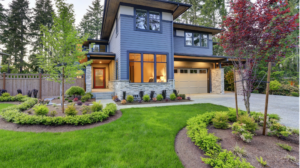




How to Improve Your Home with Upgrade and Extension
A home is more than a roof over your head—it is an evolving reflection of your lifestyle, aspirations, and personal taste. Over time, as needs shift and styles evolve, a home that once suited you perfectly may start to feel dated or restrictive. Whether driven by the desire for more space, modern functionality, or aesthetic refinement, the pursuit of home improvement often leads to two key strategies: upgrading and extending.
Individually, these approaches can transform a space. Combined with thoughtful intent, they can redefine your home entirely—enhancing comfort, boosting value, and bringing new life to familiar walls. Here, we explore how to improve your home through well-planned upgrades and extensions, with practical insights and sophisticated direction to ensure lasting impact.
Understanding the Power of the Upgrade
An upgrade is, at its core, a refinement. Unlike repairs, which restore function, or décor changes, which are often superficial, an upgrade enhances performance, efficiency, or experience. It can be as simple as replacing outdated light fixtures with energy-efficient LED systems or as elaborate as installing a smart home automation network.
Key areas for impactful upgrades include:
1. The Kitchen: Often considered the heart of the home, the kitchen is a natural starting point for improvements. Swapping out old appliances for energy-efficient, sleek models instantly updates the space and lowers utility bills. Replacing cabinet fronts, upgrading countertops to stone or composite surfaces, and adding under-cabinet lighting can give a tired kitchen a crisp, modern feel.
2. Bathrooms: Upgrading bathroom fixtures—like showerheads, taps, and vanities—can dramatically improve both functionality and style. Heated towel rails, rain showers, and low-flow toilets enhance comfort while aligning with sustainability goals. For visual impact, new tiles, mirrors, and lighting can turn a basic bathroom into a spa-like retreat.
3. Flooring and Finishes: Outdated carpets and scuffed floors diminish even the most stylish home. Upgrading to hardwood, luxury vinyl, or large-format tile can lend timeless elegance and improved durability. Finishing touches like new baseboards, crown moulding, and fresh paint in neutral, refined hues make a home feel current and cohesive.
4. Energy Efficiency and Smart Technology: Installing double-glazed windows, insulation, and smart thermostats are upgrades that blend environmental consciousness with economic sensibility. Adding solar panels or battery systems, while a larger investment, represents a future-forward approach to home improvement.
Upgrades like these elevate daily living and position your home to meet contemporary expectations. However, for those whose needs have outgrown their square footage—or whose vision transcends existing architecture—extensions offer the next step.
Extending with Purpose
Extensions are not merely about adding space; they are about creating new possibilities. When executed with architectural sensitivity and practical foresight, they breathe new life into a home, unlocking its full potential without the disruption of relocation.
Here are the most popular—and effective—types of home extensions:
1. Rear Extensions: Often used to expand kitchens or living areas, rear extensions are particularly popular in suburban properties with garden space. These additions allow for open-plan layouts that foster togetherness and natural light. Glass doors, skylights, and floor-to-ceiling windows often feature here, merging indoor comfort with outdoor beauty.
2. Side Return Extensions: A favorite in urban settings, side return extensions make clever use of otherwise wasted alleyway space. They typically enhance kitchen space, allowing for better flow and function. While narrower in scale, they can dramatically alter the way the ground floor feels and functions.
3. Loft Conversions: Utilizing unused attic space to create an extra bedroom, study, or studio is a smart way to gain space without expanding the footprint. With thoughtful insulation, skylights, and integrated storage, loft conversions can be among the most cost-effective and rewarding extensions.
4. Basement Excavations and Garage Conversions: These options turn neglected or utilitarian areas into functional living spaces—be it home cinemas, gyms, guest suites, or wine cellars. Though more structurally involved, they can add unique value to properties with limited outward expansion options.
5. Garden Rooms and Outbuildings: As remote work and home-based wellness grow in importance, detached garden rooms are seeing a renaissance. These stylish, insulated structures can serve as private offices, creative studios, or serene retreats—elevating lifestyle while preserving the main home’s layout.
Integration: The Harmony of Upgrade and Extension
True transformation lies not in the sum of changes but in the coherence between them. An upgraded kitchen should flow seamlessly into an extended dining area. A smart lighting system should illuminate not only the original home but new spaces with equal grace. Design continuity—through finishes, color palettes, and materials—is key to ensuring the new does not jar against the old, but rather feels like a natural evolution.
When considering how to integrate upgrades with extensions, ask the following:
-
Does the extension align architecturally with the original structure?
-
Will upgraded systems (like HVAC or electrics) efficiently support the increased space?
-
Are design elements—like flooring or lighting—carried through for visual continuity?
-
Can the new layout accommodate future needs and potential further changes?
The Planning and Execution Process
Embarking on any home improvement project requires careful planning. Here’s a refined roadmap:
-
Assess Your Needs: Start by identifying what’s missing. More storage? Better lighting? A guest room? This informs whether upgrades, extensions, or both are necessary.
-
Establish a Realistic Budget: Consider both your financial limits and the potential return on investment. Remember, not all improvements are created equal—kitchen upgrades and extensions often deliver the highest ROI.
-
Consult Professionals: Even if you plan to do some work yourself, an architect or designer can help with flow, permits, and maximizing spatial efficiency. Builders and contractors can advise on feasibility and timelines.
-
Respect the Timeline: Delays can and do happen. Weather, materials, and approvals may slow the process. Build in a buffer and maintain open communication with your team.
-
Finish Strong: Final touches like lighting, furnishings, and decor help integrate the new seamlessly with the existing. Avoid rushing this stage; details define the outcome.
Conclusion: The Art of Thoughtful Transformation
Improving your home through upgrades and extensions is not simply about increasing square footage or installing the latest appliances—it is about crafting a space that feels effortlessly suited to your life. It is a thoughtful investment in both lifestyle and legacy.
When carefully balanced, upgrades polish and modernize what already exists, while extensions expand the possibilities of what a home can be. Together, they offer a powerful strategy for homeowners who wish to evolve with their space—honoring its character while embracing its potential.

Related Posts