



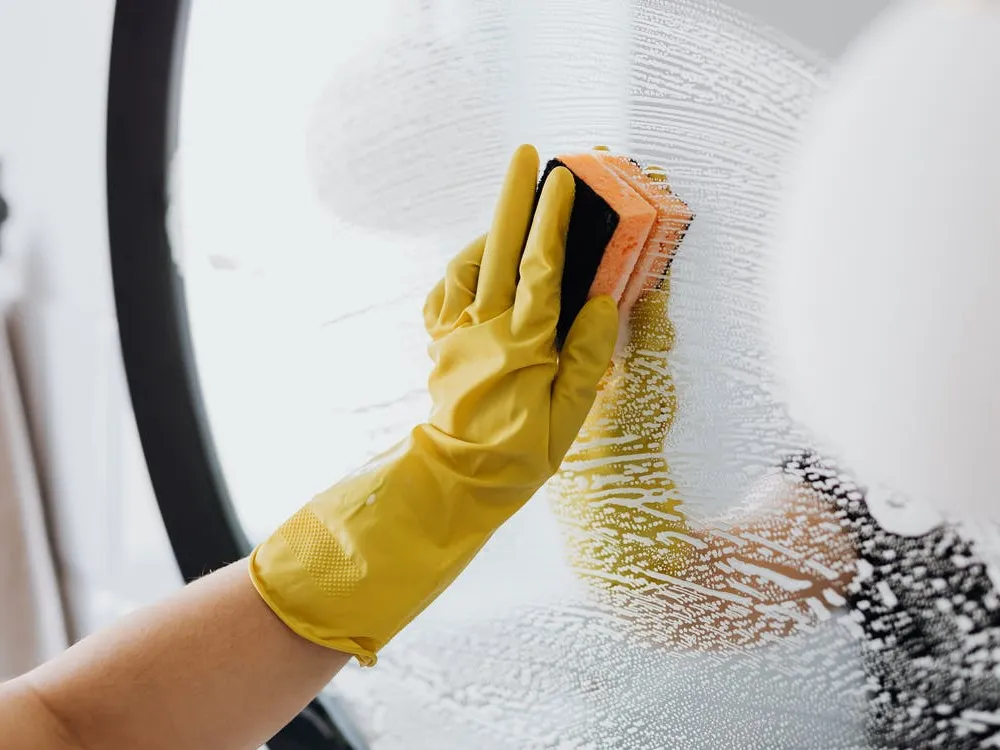
In a world increasingly shaped by environmental awareness and a return to intentional living, the way we care for our homes is undergoing a quiet revolution. No longer is cleaning simply about eliminating visible mess; it’s about creating healthier, more harmonious living spaces while minimizing harm to the planet. The intersection of smart cleaning hacks and eco-friendly practices offers a refreshing approach to home care—one that prioritizes efficiency, sustainability, and well-being. With a few thoughtful adjustments and creative techniques, you can elevate your living space while reducing your ecological footprint. Here’s how to improve your home with practical cleaning hacks and green alternatives that are both elegant and effective.
Rethinking Clean: From Toxic to Thoughtful
Traditional cleaning methods often rely heavily on chemical-laden products promising quick results. While these may offer instant shine, they frequently come with hidden costs: harsh fumes, skin irritants, and a trail of environmental waste. Shifting to eco-conscious cleaning doesn’t mean compromising on cleanliness—it means embracing smarter, safer methods that support your home’s longevity and your health.
Many household surfaces don’t require synthetic cleaners to stay spotless. Ingredients like white vinegar, baking soda, lemon, and essential oils can perform just as well, often better, without the negative side effects. By adopting natural alternatives, you reduce indoor air pollution, lower your exposure to allergens and toxins, and contribute less plastic and chemical runoff to our ecosystems.
Clever Cleaning Hacks for Every Room
Efficiency is the hallmark of good home care. The following eco-friendly cleaning hacks not only save time and money but also elevate your home’s ambiance in a mindful way.
1. Kitchen Brilliance Without Bleach
The kitchen is a hub of activity and often the most demanding room when it comes to cleanliness. Grease, crumbs, and bacteria lurk in places both visible and hidden.
Eco-Hack: Mix equal parts white vinegar and water in a spray bottle for a powerful all-purpose cleaner. Add a few drops of lemon essential oil for a fresh scent and extra grease-cutting power. This solution effectively cleans counters, stove tops, and even stainless-steel appliances without leaving behind residue.
Bonus Trick: Use baking soda to gently scrub sinks, cutting boards, and cookware. Its mild abrasiveness removes stains without scratching surfaces, and it’s safe enough for food contact areas.
2. Living Room Refresh with Natural Elements
The living room should be a sanctuary—a place of rest, not dust and stale air. However, electronics, upholstery, and decor can quickly collect dirt and allergens.
Eco-Hack: Use microfiber cloths, which are reusable and require little to no cleaning solution. They attract dust through static, meaning you don’t need aerosols or sprays. For furniture and upholstery, sprinkle baking soda to neutralize odors, let it sit for 15 minutes, then vacuum thoroughly.
Green Touch: Houseplants like peace lilies and rubber plants naturally purify indoor air. Not only do they enhance your decor, but they also remove pollutants such as benzene and formaldehyde, contributing to a cleaner, fresher environment.
3. Bathroom Sparkle Without Chemicals
Bathrooms are where many people reach for the harshest chemicals—but they’re also the rooms most susceptible to mold, mildew, and grime.
Eco-Hack: For a non-toxic toilet bowl cleaner, pour in half a cup of baking soda followed by a cup of vinegar. Let it fizz and sit for ten minutes before scrubbing. For tiles and grout, a paste of hydrogen peroxide and baking soda restores whiteness and kills bacteria without bleach.
Shower Tip: Keep a mix of vinegar and water in a spray bottle and give your shower walls a quick mist after each use. This prevents soap scum and mineral deposits from forming, significantly reducing the need for deep scrubs.
4. Eco-Friendly Floor Care
Floors bear the brunt of daily life—dust, spills, foot traffic—yet they’re often cleaned with harsh soaps or unnecessary fragrances.
Eco-Hack: For hardwood or laminate floors, a solution of warm water with a splash of vinegar (about ½ cup per gallon) cuts through dirt without leaving a film. Add a drop of natural dish soap for more cleaning power, but avoid over-wetting, especially on wood.
Rug Rescue: Sprinkle area rugs with a light dusting of cornstarch or baking soda. Leave for 30 minutes, then vacuum. This lifts odors and refreshes fibers without synthetic deodorizers.
Sustainable Cleaning Tools That Make a Difference
Swapping out disposable cleaning tools for sustainable alternatives is another meaningful way to green your routine. Consider these eco-smart upgrades:
-
Replace paper towels with washable cloth rags or unpaper towels made from recycled fabrics.
-
Choose bamboo cleaning brushes, which are biodegradable and often last longer than their plastic counterparts.
-
Invest in a reusable mop with washable microfiber pads rather than single-use sheets.
-
Switch to bulk or refillable cleaning products, reducing plastic waste and often saving money in the long run.
Even dish sponges can be swapped for compostable loofah alternatives or reusable silicone scrubbers, cutting down on waste while maintaining effectiveness.
Creating a Mindful Cleaning Routine
A clean home shouldn’t just be a once-in-a-while event—it should be part of a lifestyle that supports clarity and calm. Consider creating a rotating schedule that breaks cleaning into daily, weekly, and monthly tasks. This method prevents overwhelm and ensures each area receives attention without the need for marathon cleaning sessions.
Daily tasks could include wiping surfaces, tidying clutter, and airing out rooms. Weekly efforts might involve vacuuming, laundry, and changing bed linens. Monthly deep-cleans can rotate through appliances, baseboards, windows, and upholstery.
By tying your cleaning rituals to eco-conscious choices, you not only improve your home’s environment—you transform your relationship with it. Cleaning becomes a meditative act of care, not a burdensome chore.
The Elegant Outcome of Eco-Friendly Cleaning
The true beauty of eco-friendly cleaning lies in its simplicity. There’s something timeless and elegant about a home that is both deeply clean and consciously maintained. When you reduce reliance on chemicals and embrace natural solutions, your space becomes not only safer but more in tune with the rhythms of nature.
Moreover, these habits resonate beyond your front door. Every plastic bottle avoided, every reusable cloth chosen, and every non-toxic product used contributes to a broader movement toward sustainability. Improving your home in this way is an act of stewardship—of your health, your family, and the planet.
Final Thoughts
There’s power in the small, consistent choices we make in how we live and care for our surroundings. With practical cleaning hacks and eco-friendly habits, you can elevate your home’s cleanliness while aligning with values of health, sustainability, and mindful living. It’s not about perfection; it’s about progress. Step by step, one surface at a time, your home can become a cleaner, greener, and more beautiful space—inside and out.