






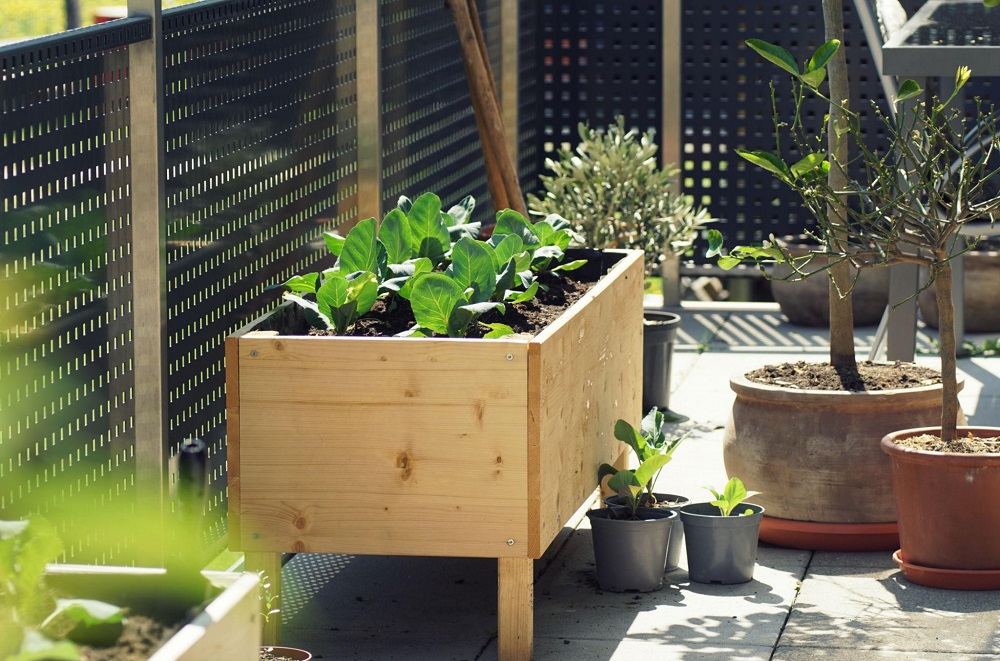
Best Vegetables For Small Balcony Kitchen Gardens Beginners
Starting a balcony kitchen garden is one of the most practical ways to grow fresh vegetables in limited space. With the right plant selection and basic care routines, even a compact balcony can produce a steady supply of nutritious greens and herbs throughout the year.
Beginners often succeed faster when they choose vegetables that grow well in containers, adapt easily to sunlight variations, and require minimal maintenance. This guide explains the most reliable vegetable options for small balcony kitchen gardens and how to grow them successfully.
Why Balcony Kitchen Gardening Works Well For Beginners
Balcony gardening offers several advantages that make it ideal for first time growers.
Key benefits include
- Efficient use of small living spaces
- Easy monitoring of plant growth daily
- Reduced pest exposure compared to ground gardens
- Lower watering requirements
- Quick harvest cycles for leafy vegetables
- Flexible arrangement of containers based on sunlight
Choosing the right vegetables improves productivity even in compact balcony setups.
Spinach Is A Fast Growing Balcony Vegetable
Spinach is one of the easiest vegetables to grow in shallow containers and performs well in partial sunlight.
Why spinach is ideal for beginners
- Germinates quickly
- Requires minimal care
- Grows well in medium sized containers
- Ready for harvest within weeks
- Allows multiple harvest cycles
Keep the soil slightly moist and harvest outer leaves regularly to encourage continuous growth.
Coriander Grows Well In Compact Containers
Coriander adapts easily to balcony environments and grows well in both sunlight and partial shade.
Benefits of growing coriander
- Requires shallow containers
- Produces leaves quickly
- Supports repeated harvesting
- Enhances flavor in daily cooking
- Suitable for year round planting in many regions
Regular trimming encourages bushier growth.
Cherry Tomatoes Are Perfect For Container Gardening
Cherry tomatoes grow successfully in balcony containers when provided with support and sunlight.
Growing advantages include
- High productivity in limited space
- Attractive appearance on balconies
- Suitable for vertical support structures
- Long harvesting period
- Adaptability to grow bags and medium pots
Place containers where they receive consistent sunlight for best results.
Green Chilies Thrive In Balcony Pots
Green chili plants are compact and productive, making them excellent for balcony gardening.
Reasons beginners prefer chili plants
- Require limited space
- Produce harvest over long periods
- Grow well in medium containers
- Need moderate watering only
- Suitable for warm climates
Ensure containers receive at least several hours of sunlight daily.
Lettuce Is Ideal For Quick Balcony Harvests
Lettuce is a reliable leafy vegetable that grows quickly in containers and does not require deep soil.
Advantages of growing lettuce
- Short growing cycle
- Requires shallow containers
- Supports repeated leaf harvesting
- Performs well in partial sunlight
- Suitable for cool and moderate seasons
Frequent harvesting improves leaf production.
Radish Grows Successfully In Deep Containers
Radish is one of the fastest growing root vegetables suitable for balcony gardens.
Why radish is beginner friendly
- Rapid germination
- Short harvesting time
- Minimal maintenance needs
- Suitable for deeper containers
- Performs well in cooler seasons
Loose soil improves root development.
Mint Is A Reliable Balcony Herb Vegetable
Mint grows vigorously in containers and requires very little effort once established.
Key growing benefits
- Regrows after trimming
- Requires moderate watering
- Thrives in partial sunlight
- Suitable for small pots
- Produces harvest throughout the season
Growing mint separately prevents it from spreading aggressively.
Tips To Maximize Productivity In Balcony Kitchen Gardens
Beginners can increase vegetable yield by following simple gardening practices.
Important productivity tips
- Use containers with proper drainage holes
- Add compost regularly for soil fertility
- Rotate containers based on sunlight direction
- Avoid overcrowding plants
- Water early in the morning whenever possible
- Harvest leaves regularly to promote regrowth
Consistent care leads to healthier plants and better harvest cycles.
Frequently Asked Questions
How many vegetable plants can fit in a small balcony garden
The number depends on balcony size and container arrangement, but even a compact balcony can support several leafy vegetables and two to three fruiting plants comfortably.
Which containers are best for balcony vegetable gardening
Grow bags, clay pots, and lightweight plastic containers with drainage holes work well for most balcony vegetables.
Can vegetables grow on balconies without direct sunlight
Yes. Leafy vegetables such as spinach and coriander grow successfully in partial sunlight conditions.
How often should balcony vegetable plants be watered
Watering usually depends on weather conditions, but most balcony vegetables need watering once daily during warm seasons.
Is it necessary to use fertilizers for balcony vegetables
Yes. Organic compost improves soil nutrients and supports steady plant growth in containers.
Can beginners grow vegetables in recycled containers safely
Yes. Clean buckets, storage boxes, and large bottles can be reused if proper drainage holes are added.
What is the best soil mixture for balcony vegetable gardening
A balanced mixture of garden soil, compost, and coco peat supports healthy root development and improves moisture retention.

Related Posts


