


How to Improve Your Home with an Urban Garden and Greenhouse
In recent years, the concept of urban gardening has blossomed, transforming cityscapes and bringing nature into homes in innovative ways. For those who live in urban environments, the thought of having a lush garden or a thriving plant-filled space often seems like a distant dream. However, urban gardening and greenhouses are making that dream a reality, offering a wealth of benefits for homeowners. Whether you’re working with a small apartment balcony, a rooftop terrace, or even a cozy backyard, introducing an urban garden or greenhouse into your home can dramatically improve both the aesthetic and functionality of your space. This article explores how to effectively integrate urban gardens and greenhouses into your home, offering practical advice on how to maximize your space, grow your own food, and enrich your living environment.
Understanding the Benefits of an Urban Garden
Urban gardens are more than just trendy spaces—they provide tangible benefits to homeowners. These gardens can serve as personal sanctuaries in the middle of bustling city life, offering a peaceful retreat from the urban grind. The benefits of an urban garden extend far beyond aesthetics. Here are some reasons why incorporating one into your home can transform your living space:
1. Improved Air Quality
Plants naturally filter and purify the air, absorbing carbon dioxide and releasing oxygen. In cities where pollution levels can be high, an urban garden can significantly improve the quality of the air within your home. Additionally, some plants, such as snake plants, peace lilies, and spider plants, are especially effective at removing toxins from indoor air, such as formaldehyde and benzene. With the addition of an urban garden, you’re creating a healthier, cleaner environment for both you and your family.
2. Enhanced Aesthetic Appeal
One of the immediate benefits of adding an urban garden to your home is the transformation of your space into a visually appealing oasis. Plants bring color, texture, and life into a home, turning even the most mundane corners into vibrant, relaxing areas. Whether you prefer a minimalist, modern garden with sleek planters or a more natural, wild aesthetic with hanging vines and cascading flowers, the possibilities are endless. Urban gardens can be customized to suit any style, making them an attractive feature of any living space.
3. Stress Relief and Mental Health Benefits
Studies have shown that spending time around plants can reduce stress and promote a sense of calm. Urban gardening allows you to connect with nature even if you don’t have access to a traditional backyard. The act of tending to your plants, watching them grow, and being surrounded by greenery can lower cortisol levels, improve mood, and enhance overall well-being. A garden acts as a sanctuary—a place where you can disconnect from the digital world and reconnect with nature.
4. Sustainability and Self-Sufficiency
An urban garden gives you the opportunity to grow your own food, which can help reduce your reliance on grocery stores and promote a more sustainable lifestyle. Growing vegetables, herbs, and even small fruit-bearing plants in your urban garden means you can enjoy fresh, organic produce that doesn’t require a carbon-heavy supply chain. By starting small with containers or raised beds, you can grow a variety of crops like tomatoes, lettuce, chives, and radishes, contributing to a more eco-friendly, self-sufficient home.
The Role of a Greenhouse in an Urban Home
While urban gardens provide numerous benefits, adding a greenhouse to your home can elevate the experience even further. Greenhouses, even small ones, allow you to extend the growing season, grow a wider variety of plants, and create an environment where you can control temperature, humidity, and light levels. If you have the space for one, a greenhouse is an ideal addition to your urban gardening project.
1. Extended Growing Season
In urban environments, the growing season can be limited due to fluctuating temperatures, limited sunlight, and the general lack of outdoor space. Greenhouses mitigate these challenges by creating a controlled environment that allows you to grow plants year-round, regardless of the weather outside. Whether you’re growing tomatoes in the winter or herbs during a chilly spring, a greenhouse ensures that your plants thrive in all seasons. For gardeners living in regions with harsh winters, a greenhouse can be a game-changer, offering a warm, stable environment for plants to grow even in the coldest months.
2. Diverse Plant Options
A greenhouse opens up the possibility of growing plants that may not typically thrive in your local climate. Whether it’s tropical plants like banana trees or citrus trees, or more delicate vegetables such as cucumbers and peppers, a greenhouse allows you to experiment with a wider range of plant varieties. This can also extend to growing flowers and herbs that require specific conditions. For instance, you can grow plants that typically require a hot, humid environment, like pineapples or papayas, without worrying about local climate constraints.
3. Increased Control Over Growing Conditions
In a greenhouse, you can maintain optimal growing conditions for your plants. By regulating temperature, humidity, and light, you can create a perfect microclimate that supports plant growth. This is particularly beneficial for plants that are sensitive to fluctuating temperatures or light levels. Additionally, a greenhouse can protect your plants from pests and diseases, as they are shielded from outdoor elements like strong winds or heavy rain. If you’re a beginner gardener, having a greenhouse can give you peace of mind, as it simplifies the growing process and reduces the risk of plant stress and failure.
How to Build Your Urban Garden and Greenhouse
Now that you understand the numerous benefits of both urban gardens and greenhouses, the next step is designing and creating these spaces in your home. Here’s how to start:
1. Assess Your Space
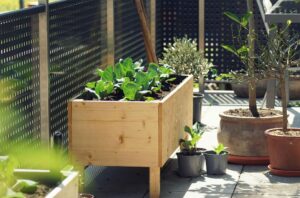
Before starting, take a close look at your available space. Do you have a balcony, rooftop, or small courtyard that could accommodate a garden? If so, urban gardening can be implemented using container gardening, raised beds, or vertical gardens. Small spaces can be optimized by planting upwards with trellises, or by utilizing hanging planters and window boxes. Similarly, if you have room for a greenhouse, assess whether it will fit comfortably in your yard or on your balcony.
2. Choose the Right Plants
Consider your climate, available space, and the amount of sunlight your space receives when selecting plants. If you’re working with a smaller space, choose compact varieties of plants that thrive in containers, such as herbs, leafy greens, and flowers. For those with access to more space, you can experiment with vegetables, fruits, and shrubs. In a greenhouse, the possibilities expand even further, allowing you to grow tropical plants, off-season vegetables, or exotic flowers. Choose plants that align with your lifestyle—whether it’s culinary herbs for the kitchen, beautiful flowers for aesthetics, or hearty vegetables for sustainable living.
3. Design and Build the Greenhouse
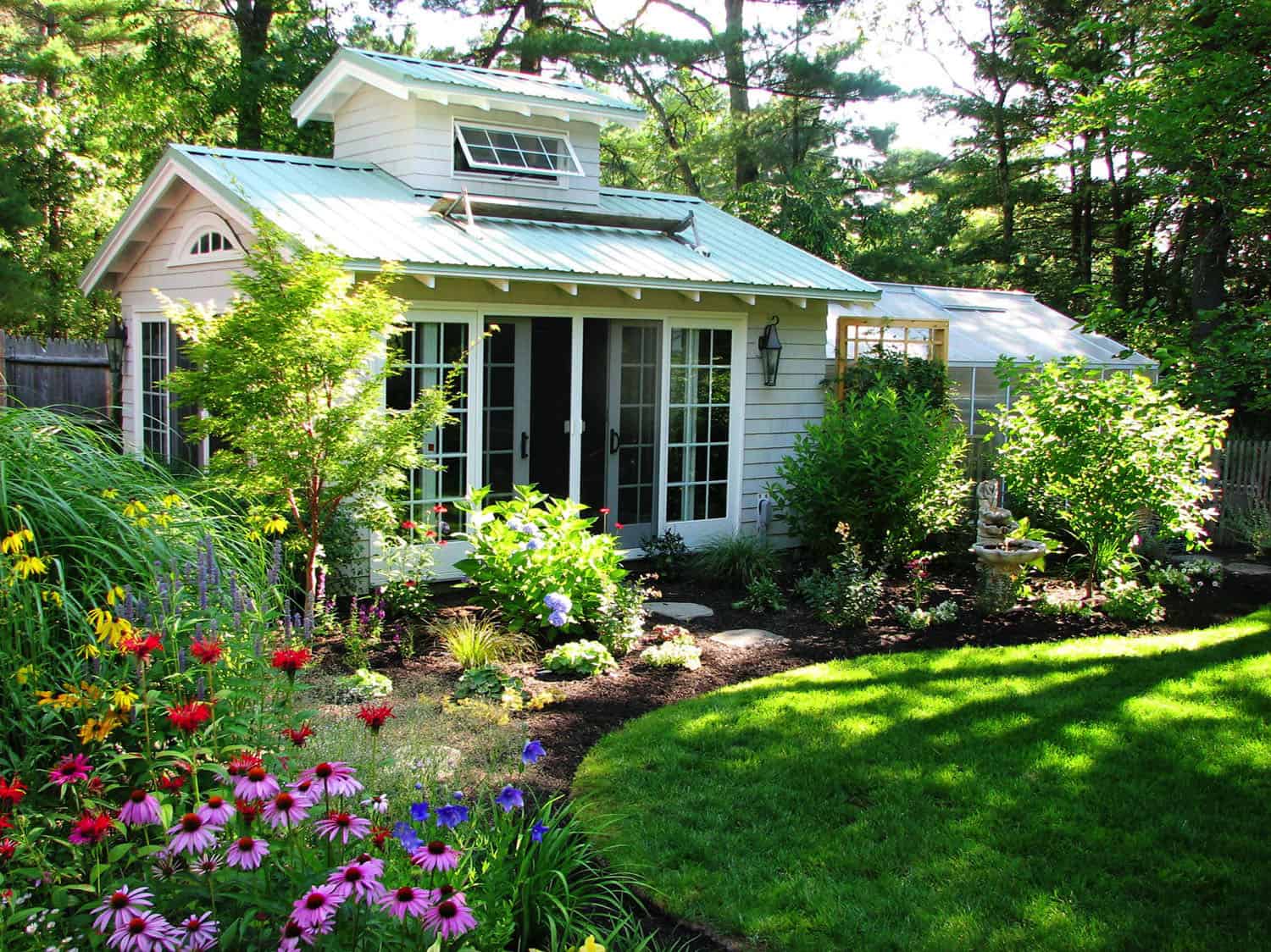
If you have the space for a greenhouse, there are a variety of options available. Greenhouses can range from small, DIY kits to larger, more permanent structures. Start small if you’re a beginner, perhaps opting for a greenhouse that can be placed on a balcony or in your backyard. There are many prefabricated kits available that make assembly relatively easy. Alternatively, consider building your own greenhouse with materials like PVC pipes, glass, or polycarbonate sheets. Incorporating shelving, plant racks, and a simple irrigation system can further enhance the efficiency of your greenhouse.
4. Sustainable Practices
Make sustainability a core focus in your urban garden and greenhouse. Use organic soil, compost, and natural pest control methods to reduce your environmental footprint. Consider installing a rainwater collection system to minimize water usage and promote eco-friendly gardening practices. Mulching your plants can help conserve moisture and keep the soil healthy. Greenhouses, especially when properly designed, can also be energy-efficient, with some systems harnessing solar power to regulate temperature and light.
Conclusion
Integrating an urban garden and greenhouse into your home can dramatically enhance your living environment. By bringing nature indoors, you not only create a more beautiful and calming space but also improve your home’s sustainability, air quality, and self-sufficiency. Whether you’re looking to grow your own food, experiment with exotic plants, or simply enjoy the therapeutic benefits of gardening, the addition of a garden and greenhouse can transform your home into a lush, vibrant retreat. With careful planning and thoughtful plant choices, you can make the most of your urban space and turn your home into an oasis of green.

Related Posts