



Is Your Gardening & Outdoor Missing These Plant Essentials?
Gardening is an art and a science, where careful planning, knowledge, and a dash of creativity come together to cultivate not just plants, but a thriving, balanced outdoor ecosystem. While it’s easy to get caught up in the latest gardening trends, some plant essentials can often go overlooked. Whether you’re a seasoned gardener or a beginner setting up your outdoor space for the first time, there are key plants that could be the missing elements in your garden strategy. These essential plants, when thoughtfully incorporated, can elevate your garden, enhance biodiversity, and improve your garden’s sustainability. So, if your outdoor space feels a little off or incomplete, it might just be because it’s missing some crucial plant elements. Here’s a look at some of the plant essentials that every garden and outdoor space needs to thrive.
1. Pollinator-Friendly Plants
One of the most critical and often overlooked components in modern gardening is creating a habitat for pollinators. Bees, butterflies, moths, and other pollinators are vital to the health of your garden and the broader ecosystem. Many gardeners focus primarily on flowers for their aesthetic appeal or on vegetables for their harvest. However, the lack of plants that attract and sustain pollinators can significantly limit the health of your garden.
Pollinators play a crucial role in fertilizing plants, ensuring that flowers can produce seeds, fruits, and vegetables. Without them, a garden becomes less productive and less diverse. To remedy this, consider planting pollinator-friendly varieties like lavender, coneflowers, sunflowers, bee balm, and asters. These plants offer nectar and pollen, and their vibrant colors and fragrances attract pollinators, creating a lively and healthy garden ecosystem.
Additionally, native plants are especially important in supporting local pollinator species. Native plants have evolved alongside native pollinators, providing food and habitat suited to the specific needs of local insects. By incorporating these plants, you create an environment that supports the biodiversity crucial for a flourishing garden.
2. Herbs and Culinary Plants
Herbs are one of the most versatile groups of plants you can grow, offering benefits far beyond their culinary uses. While they are commonly seen in vegetable gardens, many herbs are also beautiful additions to ornamental garden beds. Growing herbs such as rosemary, basil, thyme, and mint not only enhances your cooking but can also offer fragrance, texture, and color to your outdoor spaces.
Beyond the aesthetic and culinary benefits, many herbs are also excellent for attracting beneficial insects and even deterring pests. Mint, for example, is a natural pest repellent, particularly against ants and mosquitoes, and its pleasant fragrance adds an extra layer of enjoyment to your outdoor space. Lavender, with its calming scent, not only makes your garden a tranquil retreat but is also a magnet for pollinators.
Another often overlooked benefit of herbs is their ability to help you grow your own food. A well-stocked herb garden can be the first step toward sustainable gardening, providing fresh herbs for daily cooking and offering a sense of self-sufficiency. They are also relatively low-maintenance, making them ideal for beginner gardeners or those with limited time to tend to their plants.
3. Ground Covers for Healthy Soil
While many gardeners focus on large, showy plants, ground covers are an essential yet often neglected component of a balanced garden. Ground cover plants, such as creeping thyme, clover, and ajuga, help keep the soil healthy and prevent erosion. They serve as a natural mulch by suppressing weeds, maintaining moisture in the soil, and even improving soil fertility in some cases.
Additionally, ground covers can be an attractive way to fill spaces between larger plants, creating a cohesive and lush garden. For example, Creeping Jenny offers bright, chartreuse foliage that contrasts beautifully with darker-leaved plants, while Creeping Jenny‘s tiny yellow flowers add an extra pop of color. Clover not only acts as a great ground cover, but it also helps improve soil health by fixing nitrogen in the soil, making it an excellent companion for other plants in your garden.
Ground covers are particularly important in areas where you want to prevent bare patches or protect your soil from harsh weather conditions. Whether you have a steep slope, an area prone to foot traffic, or just want to create a low-maintenance yet beautiful backdrop, ground covers are an indispensable addition.
4. Evergreens for Year-Round Interest
In many gardens, the winter months can leave the space looking barren and lifeless. This is where evergreens step in as essential garden plants. While deciduous plants drop their leaves in the colder months, evergreens, such as spruce, pine, holly, and cedar, provide year-round greenery and structure. Their ability to retain foliage throughout the winter ensures that your garden has visual interest even during the colder months.
Evergreens also play a crucial role in protecting your garden from harsh winds and heavy snowfall. They act as natural windbreaks, which can help protect more fragile plants and reduce soil erosion. Additionally, many evergreens, such as holly and juniper, produce berries that attract birds, adding wildlife appeal to your garden year-round.
Incorporating evergreens into your garden helps provide visual structure, privacy, and shelter for both plants and wildlife. They can be used as borders, screens, or even as striking focal points in garden design.
5. Succulents and Drought-Tolerant Plants
As climate change and water conservation become increasingly important concerns, drought-tolerant plants have become an essential part of garden planning. Succulents such as aloe vera, sedum, and agave, along with other drought-resistant plants like lavender, yucca, and lamb’s ear, are perfect for low-maintenance, water-conscious gardens.
These plants have evolved to thrive in arid conditions, storing water in their leaves and requiring minimal watering once established. Not only are they well-suited for regions with low rainfall, but their unique textures, colors, and architectural forms also add depth and interest to your garden. Succulents, in particular, are available in a wide range of colors and shapes, offering opportunities for creative design.
In addition to being water-efficient, succulents and drought-tolerant plants are generally low-maintenance, requiring less frequent pruning or fertilizing. This makes them ideal for gardeners who are short on time or want to reduce their environmental impact by growing plants that thrive with minimal water.
6. Vegetables for Sustainable Living
One of the most rewarding aspects of gardening is the ability to grow your own food. Whether you have a sprawling garden or a small balcony, incorporating vegetables into your outdoor space can be both fulfilling and sustainable. Tomatoes, lettuce, peppers, carrots, and spinach are just a few options that are relatively easy to grow and provide a bountiful harvest.
Vegetable gardens not only help reduce your reliance on store-bought produce, but they also encourage healthier eating habits. Growing your own food is a step toward sustainability and environmental responsibility, as it reduces the carbon footprint associated with transportation and packaging. Moreover, homegrown vegetables taste fresher and more vibrant than store-bought ones, making your meals that much more enjoyable.
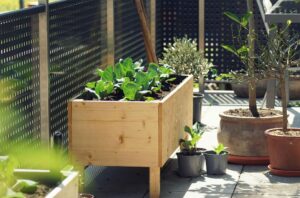
Even in small spaces, you can successfully grow vegetables in containers, raised beds, or vertical gardens. By incorporating vegetables into your outdoor space, you’re cultivating a more sustainable, self-sufficient lifestyle while adding an extra layer of functionality and beauty to your garden.
Conclusion
Creating a thriving, sustainable, and visually dynamic garden requires more than just selecting the latest trendy plants. By considering essential plants like pollinator-friendly varieties, herbs, ground covers, evergreens, succulents, and vegetables, you can create a balanced, biodiverse garden that not only looks good but also works in harmony with nature. These plant essentials provide crucial environmental benefits, support wildlife, and reduce the amount of care needed for your garden while offering year-round interest and sustainability. If your garden or outdoor space feels incomplete, it may just be missing one—or all—of these plant essentials. By thoughtfully incorporating them into your space, you’ll create a garden that’s not only beautiful but functional and resilient.

Related Posts